PVC Mesh Fabric vs Solar Screen Fabric: What's the Difference and Which One Should You Choose?
When people first encounter PVC Mesh Fabric and Solar Screen Fabric, they often assume they are the same product. Both feature an open-weave structure, both allow airflow, and both are widely used outdoors.
However, these two materials are designed for very different purposes.
Choosing the wrong fabric may result in poor shading performance, reduced service life, or unnecessary project costs.
Understanding PVC Mesh Fabric
PVC Mesh Fabric is a vinyl-coated polyester mesh designed primarily for outdoor durability and structural performance.
Unlike decorative textiles, PVC Mesh is engineered to withstand wind, rain, sunlight, and continuous exposure to demanding environments.
Its open construction allows air to pass through while reducing wind pressure on large surfaces.
Typical applications include:
- Fence screens
- Construction site barriers
- Printed mesh banners
- Scaffold wraps
- Agricultural windbreaks
- Shade structures
- Industrial covers
The focus of PVC Mesh is durability, strength, and weather resistance.
Understanding Solar Screen Fabric
Solar Screen Fabric is designed for solar control rather than structural protection.
Instead of resisting mechanical stress, it helps manage sunlight entering buildings while maintaining outward visibility.
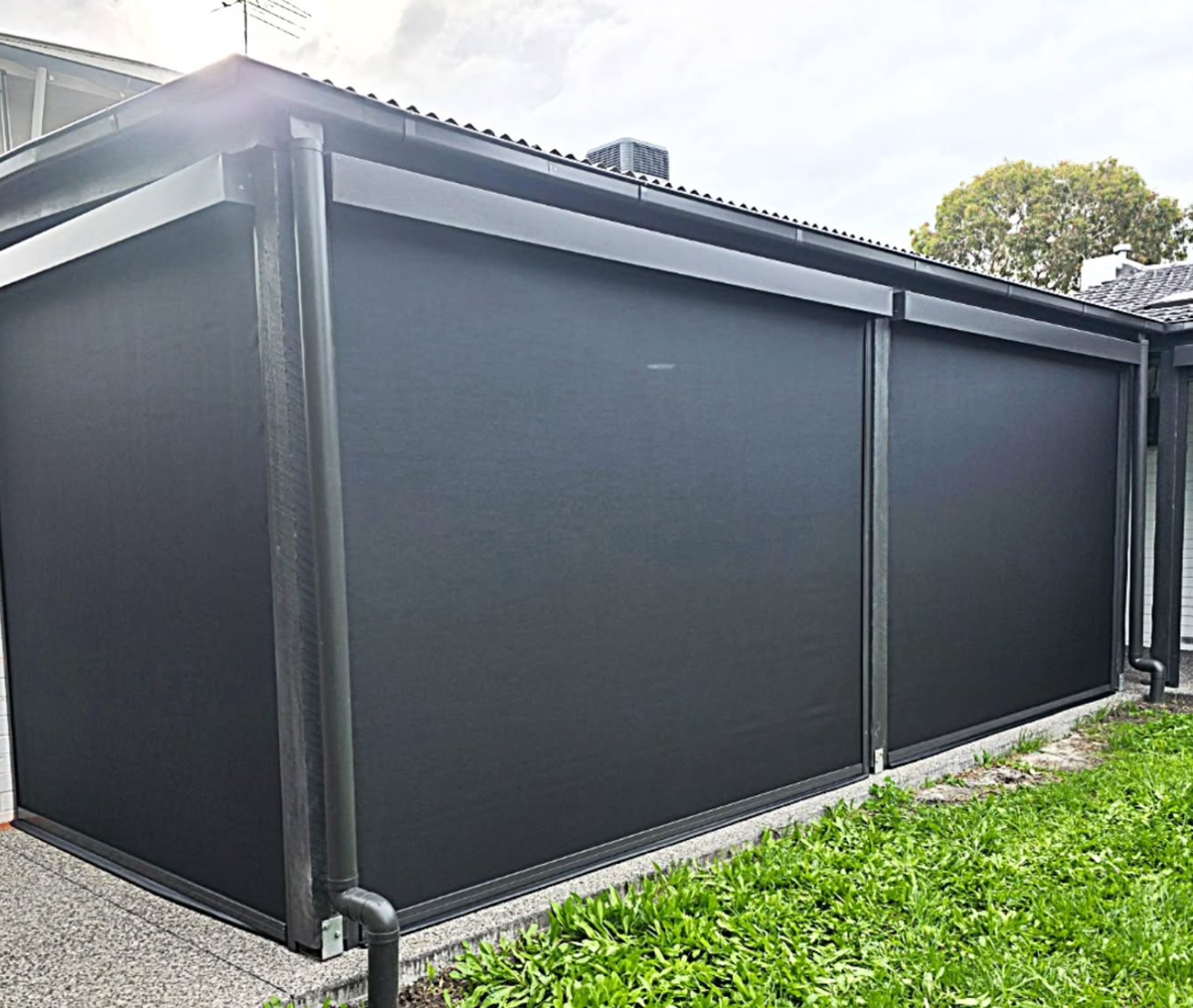
Most Solar Screen fabrics are installed as roller blinds, exterior zip screens, or window shading systems.
Their primary function is to reduce solar heat gain and glare without completely blocking natural daylight.
Typical applications include:
- Roller blinds
- Exterior zip screens
- Office shading
- Residential window coverings
- Commercial façades
- Hospitality projects
The emphasis is indoor comfort, energy efficiency, and visual comfort.
Material Structure
Although both fabrics contain polyester and PVC, their construction differs significantly.
PVC Mesh generally uses heavier polyester yarns with a stronger PVC coating to achieve higher tensile strength.
Solar Screen Fabric typically features finer yarns and a more refined weaving pattern that delivers better visibility and smoother light transmission.
The difference in structure directly influences how each material performs in real-world applications.
Airflow vs Solar Control
One of the biggest misconceptions is that higher openness automatically means better shading.
In reality, airflow and solar control are two different performance characteristics.
PVC Mesh prioritizes ventilation.
Its larger openings allow air to circulate freely, making it suitable for fences, banners, and outdoor enclosures where wind resistance is a concern.
Solar Screen Fabric balances openness with solar protection.
The weave is carefully engineered to reduce heat and glare while preserving outside views, making it ideal for window shading systems.
Durability in Outdoor Environments
Both materials are intended for outdoor use, but they are exposed to different conditions.
PVC Mesh is expected to withstand mechanical stress such as wind loads, installation tension, and repeated handling.
As a result, manufacturers typically emphasize:
- High tensile strength
- Tear resistance
- UV stability
- Weather resistance
- Dimensional stability
Solar Screen Fabric, on the other hand, focuses on long-term appearance and optical performance.
Key performance characteristics often include:
- Color stability
- UV protection
- Glare reduction
- Heat reduction
- Smooth operation in shading systems
Appearance and Visual Performance
Appearance is another major distinction.
PVC Mesh is generally selected based on strength and functionality.
Surface texture, printability, and durability often take priority over transparency.
Solar Screen Fabric is chosen for visual comfort.
Its openness factor, color, and weave pattern determine how much daylight enters a building and how clearly occupants can see outside.
For architects and interior designers, these optical properties are often more important than mechanical strength.
Which Fabric Is Better?
Neither material is universally better.
The correct choice depends entirely on the application.
Choose PVC Mesh Fabric when your project requires:
- Outdoor fencing
- Printed advertising
- Construction protection
- Wind reduction
- High mechanical strength
- Long-term weather resistance
Choose Solar Screen Fabric when your project requires:
- Window blinds
- Solar shading
- Energy-efficient buildings
- Heat reduction
- Daylight management
- Exterior visibility
Understanding the project requirements before selecting the material is the key to achieving the best long-term performance.
Industry Trends
As modern architecture increasingly emphasizes sustainability and occupant comfort, both materials continue to evolve.
PVC Mesh manufacturers are improving coating technology to increase durability while reducing environmental impact.
Meanwhile, Solar Screen fabrics are being developed with improved solar performance, broader color selections, and recyclable material options to meet the growing demand for green buildings.
Rather than competing directly, these two products complement each other across different sectors of the construction and outdoor industries.
Conclusion
Although PVC Mesh Fabric and Solar Screen Fabric may appear similar at first glance, they serve different purposes.
PVC Mesh excels in strength, durability, and outdoor protection.
Solar Screen Fabric specializes in managing sunlight, reducing heat, and improving indoor comfort.
Selecting the right material begins with understanding the environment, performance requirements, and end use—not simply comparing specifications.
Whether you are supplying architectural projects, manufacturing shading systems, or sourcing industrial fabrics, choosing the appropriate fabric will improve both project performance and long-term value.
Share:
PVC Free Fabric Is Changing Tensile Architecture—But Not in the Way Most People Think
PVC Fabric for Bags: How Manufacturers Choose the Right Material