
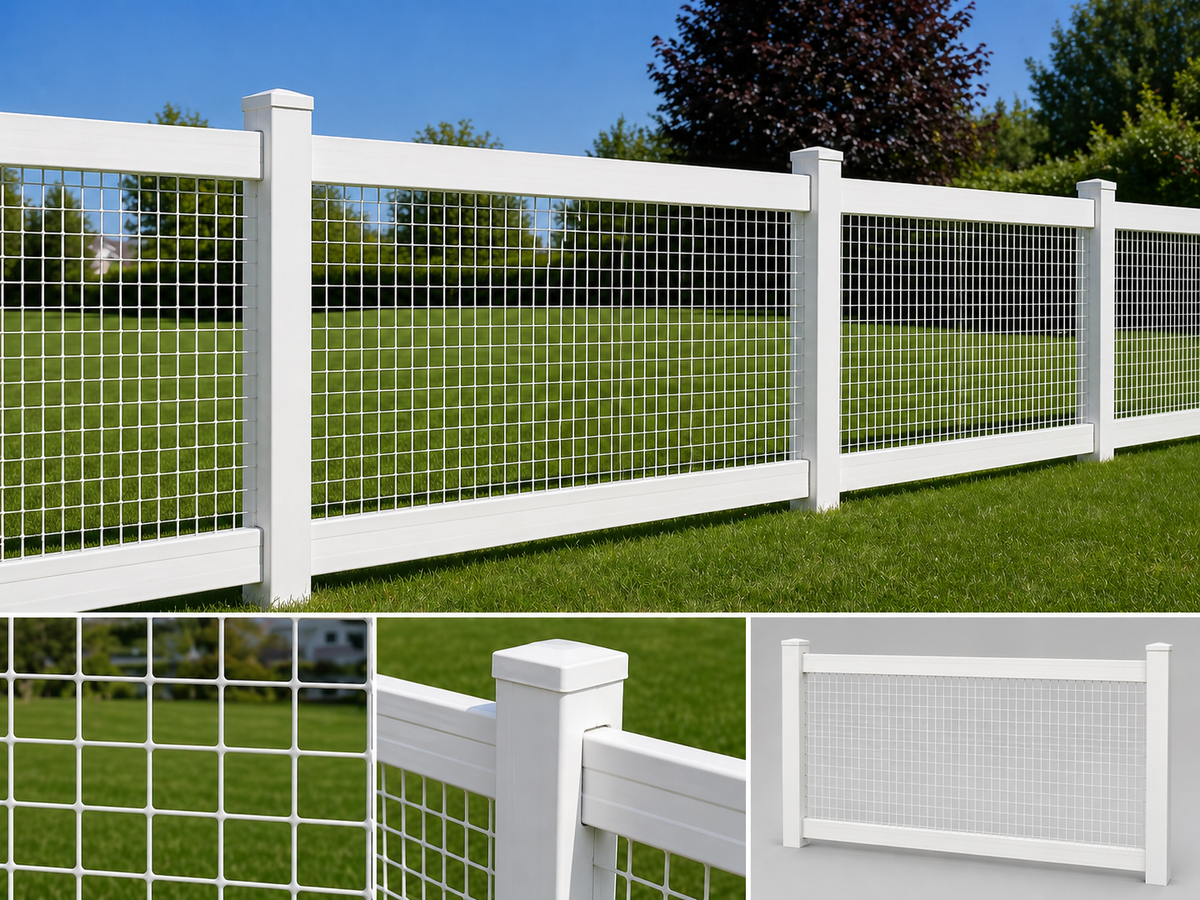
أصبح سياج PVC أحد البدائل الأكثر استخدامًا لأنظمة السياج الخشبية والمعدنية التقليدية. ويُطبّق عادةً في البيئات السكنية والتجارية والصناعية الخفيفة نظرًا لتوازنه بين المتانة والمظهر ومتطلبات الصيانة المنخفضة.
ومع ذلك، من المهم فهم مزاياه وعيوبه قبل اتخاذ قرار الشراء.
مزايا سياج PVC
1. صيانة منخفضة
لا يتطلب سياج PVC الدهان أو الصبغ أو معالجة ضد التآكل. يكفي التنظيف الروتيني بالماء للحفاظ على مظهره.
2. مقاومة للطقس
توفر مواد سياج PVC عالية الجودة مقاومة قوية للظروف البيئية، بما في ذلك:
- الأمطار والرطوبة
- التعرض للأشعة فوق البنفسجية
- الحشرات والنمل الأبيض
- التعفن والتآكل
وهذا يجعله مناسبًا للاستخدام الخارجي طويل الأمد.
3. عمر خدمة طويل
تدوم أسوار PVC عادةً ما بين 10 و 25 عامًا اعتمادًا على جودة المواد وطريقة التركيب والظروف البيئية.
4. مظهر متناسق
يوفر سياج PVC مظهرًا موحدًا ونظيفًا، مما يجعله مناسبًا للتصاميم المعمارية والحدائقية الحديثة.
5. كفاءة التكلفة على المدى الطويل
على الرغم من أن الاستثمار الأولي قد يكون أعلى من السياج الخشبي، إلا أن سياج PVC يقلل من تكاليف الصيانة والاستبدال على المدى الطويل.
عيوب سياج PVC
1. تكلفة أولية أعلى
يتطلب سياج PVC عمومًا استثمارًا أوليًا أعلى مقارنة بأنظمة السياج الخشبي الأساسية.
2. مقاومة محدودة للصدمات
بينما يتميز بالمتانة في الظروف العادية، فإن PVC أقل مقاومة للصدمات الميكانيكية القوية مقارنة بالسياج المعدني وقد يتشقق تحت القوة الشديدة.
3. التمدد الحراري
يمكن أن تتمدد مواد PVC أو تتقلص مع تغيرات درجة الحرارة. يتطلب الأمر تباعدًا مناسبًا في التركيب لاستيعاب هذا السلوك.
4. مرونة محدودة في الموقع
مقارنة بالخشب، فإن سياج PVC أقل مرونة للتعديلات أو التخصيصات أثناء التركيب.
5. اعتبارات بيئية
PVC مادة اصطناعية، ويعتمد تأثيرها البيئي على أنظمة إعادة التدوير وعمليات الإنتاج. تم تصميم بعض منتجات PVC الحديثة لتكون قابلة لإعادة التدوير.
| الميزة | سياج PVC | سياج خشبي | سياج معدني |
|---|---|---|---|
| الصيانة | منخفضة | مرتفعة | متوسطة |
| العمر الافتراضي | طويل | متوسط | طويل جدًا |
| التكلفة الأولية | متوسطة | منخفضة | مرتفعة |
| التكلفة على المدى الطويل | منخفضة | مرتفعة | متوسطة |
| مقاومة الطقس | عالية | منخفضة | عالية |
| المظهر | حديث | طبيعي | صناعي |
تطبيقات سياج PVC
يستخدم سياج PVC على نطاق واسع في:
- أسوار حدائق المنازل
- أسوار الخصوصية للفلل والساحات الخلفية
- حدود العقارات التجارية
- أسوار الأماكن العامة والحدائق
- حماية محيط المنشآت الصناعية الخفيفة
كيف تختار سياج PVC جيدًا
جودة المواد
اختر مواد PVC المستقرة للأشعة فوق البنفسجية للحصول على أداء أفضل على المدى الطويل في الأماكن الخارجية.
سمك الملف الشخصي
توفر الألواح السميكة للسياج قوة هيكلية ومتانة محسنة.
نظام التثبيت
يضمن نظام الأعمدة والقضبان الثابت استقرارًا طويل الأمد ويقلل من خطر التشوه.
الخلاصة
يقدم سياج PVC مزيجًا قويًا من المتانة والصيانة المنخفضة والمظهر الحديث، مما يجعله حلاً شائع الاستخدام في التطبيقات السكنية والتجارية. ومع ذلك، يجب تقييم اعتبارات مثل التكلفة الأولية ومقاومة الصدمات والتمدد الحراري قبل الاختيار.
بالنسبة للمشاريع الخارجية طويلة الأجل، يظل سياج PVC خيارًا موثوقًا به وفعالاً من حيث التكلفة عند اختياره وتركيبه بشكل صحيح.
مشاركة:
هل يمكن طباعة شبكة PVC؟ دليل جودة الطباعة والأساليب والمواد
الشبك المطلي بالـ PVC: دليل شامل للميزات والتطبيقات والفوائد