
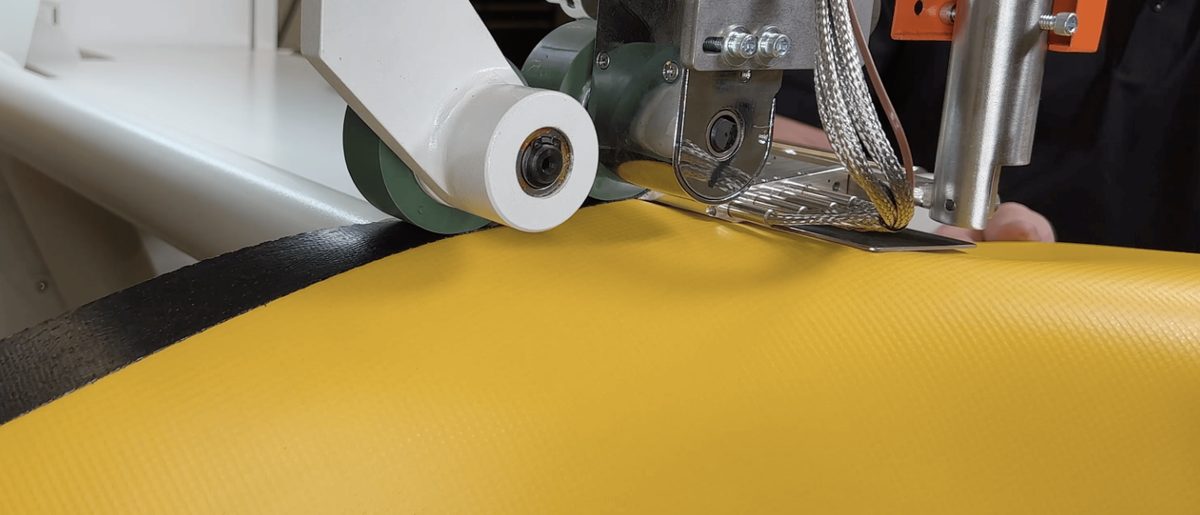
في العديد من مشاريع المنشآت النسيجية، غالبًا ما تُعزى المشكلات المتعلقة بالمواد إلى اللحام بدلاً من النسيج نفسه. يعتمد أداء اللحام على كل من خصائص المواد وظروف التركيب.
كيف تؤثر درجة الحرارة على اللحام
تقلل درجات الحرارة المحيطة المنخفضة من كفاءة انتقال الحرارة أثناء اللحام بالهواء الساخن أو التردد العالي. قد يؤدي هذا إلى دمج غير كامل إذا لم يتم ضبط المعايير بشكل صحيح.
عندما يتم اللحام بالقرب من الحد الأدنى لدرجة الحرارة الموصى بها للمادة، تصبح جودة اللحام أكثر حساسية لاتساق المواد.
العوامل المادية التي تؤثر على قابلية اللحام
تؤثر عدة خصائص على كيفية استجابة أقمشة PVC للحام:
- انتظام سمك الطلاء
- محتوى الملدنات
- خصائص السطح
يمكن أن تؤثر حتى الاختلافات الصغيرة في تركيبة الطلاء على قوة اللحام ومظهره.
اعتبارات التركيب العملية
لتحقيق لحامات موثوقة، غالبًا ما يقوم المثبتون بما يلي:
- السماح للمواد بالتأقلم قبل اللحام
- ضبط سرعة اللحام ودرجة حرارته
- تجنب اللحام في الظروف القاسية
من منظور اختيار المواد، تقلل قابلية اللحام الموثقة في الظروف الواقعية من مخاطر التركيب.
لماذا يعتبر أداء اللحام مهمًا
في المنشآت النسيجية، غالبًا ما تكون اللحامات هي المناطق الأكثر إجهادًا. لذا فإن تقييم سلوك اللحام لا يقل أهمية عن تقييم قوة النسيج عند اختيار المواد للتطبيقات الصعبة.
يعتمد أداء اللحام الموثوق به على التفاعل بين خصائص المواد وظروف التركيب. إن تقييم سلوك اللحام في ظل معايير واقعية يقلل من عدم اليقين أثناء الإنشاء ويحسن السلامة الهيكلية.
في تطوير المواد، تركز شركة uctextile على اختبار قابلية اللحام جنبًا إلى جنب مع الأداء الميكانيكي. وهذا يضمن أن الأقمشة تؤدي بشكل متسق ليس فقط في الاختبارات المعملية، ولكن أيضًا أثناء عمليات اللحام والتركيب العملية.
مشاركة:
التشطيبات السطحية لنسيج PVC: اختلافات الأداء في بيئات الثلج والأوساخ
قماش شبكي PVC للإعلانات الخارجية: الفوائد والتطبيقات ودليل الشراء