
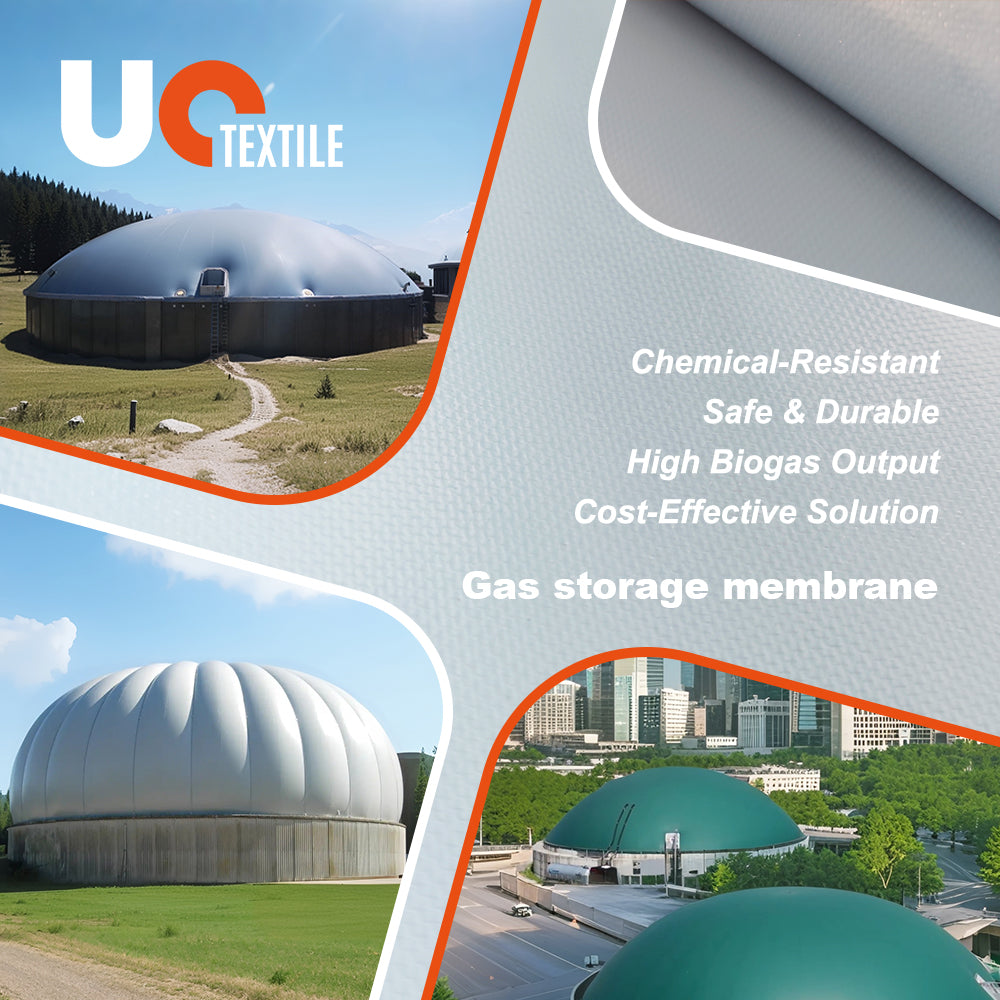
Gas Storage Membrane for Biogas Systems: A Reliable, Cost-Effective Solution

Gas Storage Membrane for Biogas Systems: A Reliable, Cost-Effective Solution

As global demand for renewable energy continues to grow, biogas systems are playing an increasingly important role in sustainable energy production. At the core of every efficient biogas plant lies a critical component: the gas storage membrane. Designed to ensure safe storage, stable pressure, and long-term durability, gas storage membranes are essential for achieving high biogas output and reliable plant operation.

What Is a Gas Storage Membrane?

A gas storage membrane is a flexible, high-strength coated fabric used to store and regulate biogas generated during anaerobic digestion. It is commonly applied in biogas digesters, gas holders, and double-membrane roof structures. The membrane acts as a protective barrier, maintaining gas tightness while withstanding continuous exposure to chemicals, weather, and mechanical stress.

Key Requirements for Biogas Gas Storage Membranes

Biogas environments are demanding. A professional gas storage membrane must meet several strict performance criteria:

1. Chemical Resistance

Biogas contains aggressive substances such as hydrogen sulfide (H₂S), ammonia, and moisture. A chemical-resistant gas storage membrane prevents material degradation, ensuring long service life and stable performance.

2. Safety and Gas Tightness

Gas tightness is critical for preventing leakage and maintaining system pressure. High-quality gas storage membranes are engineered to provide excellent airtight performance, contributing to safe operation and consistent gas management.

3. Durability and Weather Resistance

Installed outdoors, gas storage membranes must withstand UV exposure, temperature fluctuations, wind loads, and long-term mechanical stress. Durable membrane materials help reduce maintenance costs and downtime over the project lifecycle.

4. High Biogas Output Support

By maintaining stable internal pressure and minimizing gas loss, a well-designed gas storage membrane directly supports high biogas output and efficient energy recovery.

5. Cost-Effective Performance

For biogas plant operators, cost-effectiveness is essential. A reliable gas storage membrane balances performance, lifespan, and installation efficiency, delivering long-term value without excessive operating costs.

Applications of Gas Storage Membranes

Gas storage membranes are widely used in:

  • Agricultural biogas plants
  • Industrial anaerobic digestion systems
  • Municipal wastewater treatment facilities
  • Renewable energy and waste-to-energy projects

Their flexibility allows for custom design to meet different capacities, structural requirements, and local regulations.

Why Choose a Professional Gas Storage Membrane Solution?

Selecting a professional gas storage membrane ensures:

  • Chemical-resistant and durable material performance
  • Safe and stable gas storage
  • Improved biogas yield and operational efficiency
  • Reduced maintenance and replacement costs
  • Long-term reliability in demanding environment

Conclusion

A gas storage membrane is more than just a cover—it is a core functional component of any biogas system. By choosing a chemical-resistant, durable, and cost-effective gas storage membrane, biogas operators can ensure safe operation, high biogas output, and sustainable energy production for years to come.

If you are planning or upgrading a biogas project, selecting the right gas storage membrane solution is a key step toward long-term success.

العودة إلى المدونة

اترك تعليقا

يرجى ملاحظة أنه يجب الموافقة على التعليقات قبل نشرها.